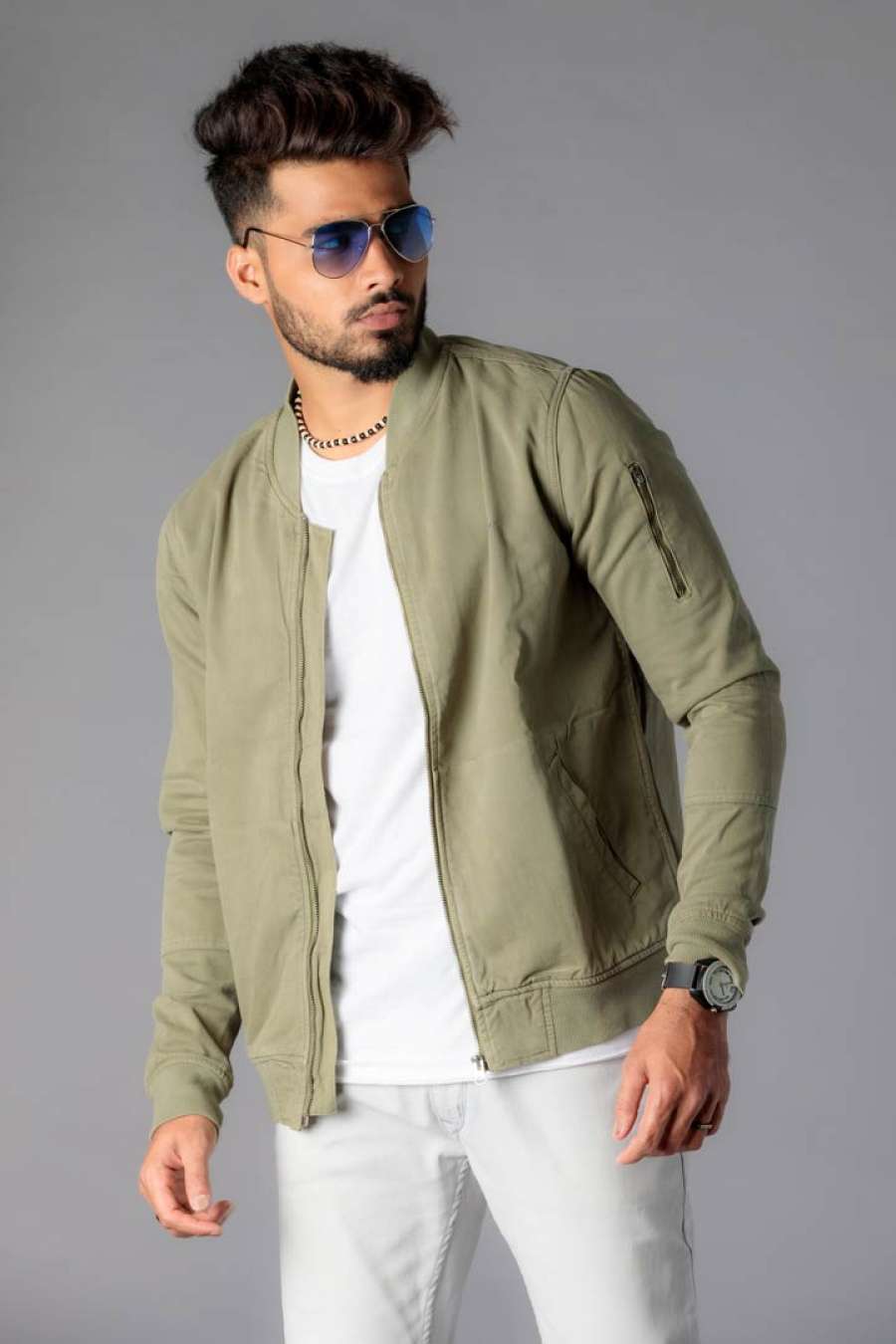
Part 1: Polaroids and Digitals — Your Real First Portfolio
Before you spend a rupee on a portfolio shoot, understand this: agencies and casting directors do not want your most stylised, retouched images first. They want digitals — also called polaroids, a name left over from the instant-camera era. These are plain, unedited photographs of you as you actually look today: simple lighting, no filters, no heavy grooming, no clever angles. Agencies rely on them precisely because they strip away everything a photographer can do to flatter you. Digitals answer one question: "What are we actually getting if we book this person?"
The standard set for a male model includes a close-up headshot (straight-on, neutral expression, and one with a natural smile), left and right profiles, a three-quarter length shot, and full-body shots from the front, side and back. If you are targeting fitness or swimwear work, a shirtless full-body shot is usually expected as well — that is genre-specific, not universal. Wear plain, well-fitted clothing in neutral colours: a fitted plain tee or tank with well-fitted jeans or trousers is the default uniform. No logos, no prints, nothing baggy. Loose clothing hides your proportions, and your proportions are the product being evaluated.
You can shoot digitals on a phone — many agencies actually prefer phone-shot submissions because they are unmistakably honest. Have a friend shoot them (never mirror selfies), stand against a plain, uncluttered wall, and use soft natural light — an overcast day near a large window is ideal, harsh direct sunlight is not. Keep your hair as you normally wear it. Shoot plenty of frames and select the sharpest, most naturally lit ones. If an agency you are applying to publishes its own digitals guidelines, follow them to the letter — submitting stylised portfolio images when digitals were asked for tells the agency you cannot follow a brief, and briefs are the entire job.
PRO TIP: Shoot your digitals in the morning after a proper night's sleep and normal hydration. Late-evening digitals after a full day carry puffiness and fatigue that you will not notice on your phone screen but a booker will notice instantly.
Part 2: Organising Your Material — The Cloud Drive System
Here is where most new models lose bookings without ever knowing it. A casting call goes out, twenty models respond, and the coordinator has fifteen minutes to shortlist. The model whose link opens instantly into a clean, labelled folder gets looked at properly. The model who sends eleven WhatsApp images in random order, half of them compressed to mush, gets skimmed and forgotten.
Set up a single cloud folder — Google Drive works fine and everyone in India can open it without an account or an app fight. Structure it like this:
- 01_Digitals — your current digitals set, nothing else. Name the files clearly: YourName_Headshot_Jan2026.jpg, YourName_FullBody_Front_Jan2026.jpg. The date in the filename quietly tells the viewer these are current.
- 02_Portfolio — your best professional images once you have them. Ten to fifteen strong images beat forty average ones. Ruthlessly curate; your portfolio is judged by its weakest image, not its best.
- 03_Comp_Card_and_Details — your one-page PDF (more on this below).
- 04_Commercial_Work — and inside it, a subfolder per shoot as you start booking jobs: 2026-03_BrandName_Ecommerce, 2026-05_BrandName_Campaign. This does two things: it shows a growing body of real work, and it lets you pull genre-specific samples in seconds when a casting asks "have you done ethnic wear before?"
Set the sharing permission to "Anyone with the link can view" — view only, never edit — and test the link from a friend's phone before you ever send it out. Then put that one link everywhere: your Instagram bio, your email signature, your casting responses. One link, always current, updated in the background without ever re-sending anything.
PRO TIP: Before uploading, export your images at a sensible size — around 2000px on the long edge is plenty for screen review. Full-resolution 45-megapixel files take forever to load on a coordinator's phone at a metro station, and a slow-loading folder gets closed.
Part 3: The Comp Card — Your Contact Sheet as a Downloadable PDF
You need one document that contains everything a client needs to book you, and it should be a PDF, not a text file. A PDF looks the same on every device, cannot be accidentally edited, and prints cleanly if a production house wants a physical copy on a casting table. The industry calls this a comp card (composite card), and yours should contain:
- Your name, city, and languages you speak (this matters more in the Indian market than new models realise — a model comfortable delivering a line in Kannada, Hindi and English is more bookable for regional video work).
- Contact details: phone, email, Instagram handle, and your cloud drive link.
- Your statistics, honestly measured: height, chest, waist, shirt size, trouser size, shoe size (Indian/UK/EU — shoots use all three), hair colour, eye colour. Get someone to tape-measure you properly; guessed measurements cause fitting disasters on set, and a garment that doesn't fit on shoot day is remembered as your failure.
- Three to five images: one strong headshot and a mix of full-body and genre shots. These should be distinct from the images in your drive folders, so the card works as a standalone snapshot even if nobody clicks further.
- Any relevant skills: gym-trained, swimmer, rider, dancer, sports — because skills are castable.
Keep it to one page, two at most. Save it as YourName_CompCard_2026.pdf and place it in your drive folder. When a casting asks for your details, you send one PDF and one link, and you look like a professional before anyone has seen you move.
Part 4: When to Update Your Digitals
Digitals expire. Industry practice is to refresh them every three to six months, and immediately after any visible change: a haircut, a beard grown or shaved, noticeable weight or muscle change, a new tattoo or piercing. The reasoning is commercial, not cosmetic — a client books you off your photos, and if the man who walks onto set does not match the photos, the client's shoot plan breaks and your reliability is questioned. It does not matter if you now look "better." Different is the problem, not worse.
Since digitals can be shot on a phone against a wall, there is no cost excuse. Put a recurring reminder in your calendar every quarter: shoot fresh digitals, replace the old files in the drive folder, update the date in the filenames. Fifteen minutes, four times a year, and your material is never stale.
Part 5: Do's and Don'ts — Look, Wardrobe, and Practising Posing
On the look: the goal for digitals and castings is groomed but unmasked. Do keep skin care simple and consistent — cleanse, moisturise, sunscreen; camera-facing skin is built over months, not the night before. Do keep facial hair deliberate: clean-shaven, maintained stubble, or a shaped beard are all castable looks, but a "couldn't decide" in-between reads as unkempt on camera. Don't get a dramatic haircut the day before a shoot — get it a week prior so it settles. Don't experiment with new skin products in the 48 hours before a shoot; a reaction on shoot day cannot be retouched out of a video.
On the wardrobe you maintain as a model: a plain white tee, a plain black tee, a fitted white shirt, dark well-fitted jeans, chinos, and one pair each of clean white sneakers and formal shoes will cover the majority of casting and digitals requirements. Fit matters more than brand — a ₹600 tee that fits your shoulders photographs better than a ₹6,000 one that doesn't. Keep this kit washed, pressed and ready in one section of your cupboard, because casting calls in India routinely come with a day's notice.
On practising posing: posing is a physical skill, and like any physical skill it is built through repetition, not theory. Study campaigns in the genre you want — not to copy poses frame by frame, but to understand what the body is doing: where the weight sits, what the hands are doing, where the chin is. Then practise in front of a full-length mirror, and more importantly, practise with a phone on a tripod recording video. The mirror shows you a mirrored, self-corrected version of yourself; video shows you what the camera sees, including the dead transitions between poses. Work in short daily sessions on a handful of fundamentals: weight on the back leg, shoulders relaxed and down, hands occupied (pocket, collar, watch) rather than hanging awkwardly, and a controlled, repeatable neutral expression. On a real e-commerce set you may be asked to hold thirty clean poses an hour — that stamina and vocabulary comes only from having done it hundreds of times before anyone was paying.
PRO TIP: Learn to make micro-adjustments on command. Photographers direct in inches — "chin down slightly, rotate two inches toward me." Practise responding to a friend calling out these adjustments. A model who can be directed precisely is worth double one who resets his whole body every time.
Part 6: Practice Shoots Before the Big Portfolio Investment
A common and expensive mistake: spending big on a premium portfolio shoot in your first month, before you know how to work a camera, before you know which genre suits you, and before your body of practice justifies the spend. The images come back stiff, you outgrow them in six months, and the money is gone.
The smarter sequence is to do two or three low-cost practice shoots first. Look for photographers building their own portfolios who work on TFP (time-for-prints/portfolio — no money changes hands, both sides keep the images), or low-cost test shoots. Treat these as training, not as portfolio material: you are learning how strobes feel on your face, how long you can hold energy, how to take direction, which of your angles work and which don't. Review every practice shoot critically — the frames that failed teach you more than the ones that worked.
Only then, once you can move confidently and you know which genre you are targeting, invest in a proper portfolio shoot with an experienced photographer — briefed specifically for that genre. A portfolio aimed at well-paying e-commerce and catalog work looks different from one aimed at editorial fashion or fitness campaigns. A focused portfolio that proves expertise in one bookable genre lands more paid work than a scattered one that gestures at everything.
Part 7: Professionalism — The Actual Differentiator
Here is the industry's open secret: at the booking stage, looks get you shortlisted, but professionalism gets you re-booked, and re-bookings are where a career actually lives. Photographers and coordinators maintain informal lists of models who are easy to work with, and those names get called first — sometimes ahead of better-looking options — because a production running on a tight schedule cannot afford surprises.
Being on time means arriving fifteen minutes early, not at the call time. On a commercial set, ten people and rented equipment are billing by the hour; a model who arrives thirty minutes late has personally burned a chunk of the client's budget, and clients remember exactly who burned it. Plan for Bengaluru traffic like a pessimist: check the route the night before, add a buffer, and if disaster genuinely strikes, call the coordinator the moment you know — not when you arrive.
Keep your footwear clean. This sounds trivial and it is not. Models are frequently asked to shoot in their own footwear, and white sneakers especially are shot at full length where every scuff shows. Dirty shoes either cost the retoucher an hour per image or cost you the full-length shots entirely. Keep one pair of clean white sneakers and one pair of polished formal shoes reserved for shoots only — never daily wear — carried to set in a bag and put on there. While you're at it, arrive with trimmed, clean nails; hands end up in far more frames than new models expect.
Beyond time and shoes: come prepared (garments steamed if you're bringing your own, grooming done, brief read), keep your energy steady through hour six the way it was in hour one, don't disappear into your phone between setups, ask questions before the shoot rather than mid-shoot, and never bad-mouth a previous client on set — the person you're talking to will assume you'll talk about them the same way.
Part 8: Pricing Yourself — A Framework, Not a Magic Number
New models either undercharge out of fear or overcharge out of Instagram confidence. Neither is a strategy. Price yourself on a framework:
Charge by the block, not by the hour. Quote a half-day rate (up to 4 hours) and a full-day rate (up to 8 hours), with the full-day rate at roughly 1.6–1.8 times the half-day — not double — because your travel and prep cost is the same either way. Define overtime in advance, per hour, so an overrunning shoot doesn't turn into an awkward negotiation at 9 pm.
Understand usage. How the images will be used matters as much as the day's work. A shoot for a local store's online catalog and a shoot for a brand's paid ad campaign across platforms are different products, even if the day on set is identical. As you grow, learn to ask "where will these images run, and for how long?" and price accordingly. In your first year, keep it simple — but at minimum, know that unlimited, perpetual, all-media usage is worth more than a product listing, and say so.
Anchor to the market, then to your evidence. Ask working models and coordinators in your city what the going rates are for your genre and experience level — rates vary widely between cities and genres, and any specific number printed in a blog post goes stale fast. Start at the realistic entry point for your market, and raise your rate when you have evidence: repeat clients, a genre-focused portfolio, and proven set stamina. A rate raise backed by re-bookings sticks; one backed by follower count doesn't.
Never work "for exposure" for a commercial client. TFP with a photographer building portfolios is a fair trade — both sides invest and both sides gain assets. A profitable brand asking you to model its products for free is not a trade; it is an unpaid job. The polite answer is your rate card.
Part 9: Scheduling — Running Yourself Like a One-Man Agency
Until an agency manages you, you are your own booking department, and the fastest way to destroy a reputation is a double-booking or a forgotten casting. Keep one calendar — Google Calendar is enough — and enter everything the moment it is confirmed: shoot dates with call times, casting appointments, your quarterly digitals refresh, even gym and grooming blocks. For every shoot, add the location, coordinator's number, and wardrobe notes into the calendar entry itself so shoot-morning you isn't digging through WhatsApp.
Block buffer days around big shoots rather than stacking jobs back-to-back — a drained, dark-circled model on day two is shortchanging the client who booked that day. Reply to booking enquiries within a few hours even if the answer is just "checking my dates, will confirm by tonight" — silence loses jobs to whoever replied first. And keep a simple record of every job: date, client, rate, usage agreed, payment received. Six months in, that record is your pricing evidence and your tax paperwork in one place.
Part 10: Parts Modelling — The Door Most People Don't Know Exists
Now, the section for everyone reading this thinking "but I'm not tall enough / not lean enough / too old for this." There is a working, paying corner of the industry with no height minimum, no age limit and no body-type gate: parts modelling — where the client books a specific body part, not a face. Every watch on a wrist in an ad, every hand holding a phone, every foot sliding into a sneaker, every close-up of fingers typing — that is a parts model at work, and the face never appears.
Hands are the biggest category, and men's hands are in steady demand: watches, tech products (phones, laptops, controllers), grooming products, food and beverage shots (hands pouring, holding, serving), automotive interiors. Feet work exists for footwear and socks. There is also fitness parts work — torso and arms for activewear and supplement brands — for men whose height rules them out of fashion but whose conditioning is excellent. Internationally, established parts models earn serious day rates precisely because good parts are rarer than good faces; the Indian market is smaller but real, driven by the same e-commerce and D2C product photography boom that keeps studios like ours busy.
What the work actually demands is different from fashion modelling: even skin tone with no prominent scars or marks, well-kept nails (nail condition is half a hand model's job), and — this surprises everyone — control and stamina. You will hold a product at a precise angle, motionless, under hot lights, for take after take, then repeat the same pour or the same watch-strap motion identically twenty times. Professional hand models protect their hands the way athletes protect knees: gloves for rough work, relentless moisturising, no risky DIY jobs the week before a shoot. Building a parts portfolio is cheap — close-up shots of your hands wearing a watch, holding a phone, pouring a drink — and it can run in parallel with, or instead of, a conventional modelling track.
Part 11: Match Your Abilities and Look to the Right Genre — Then Go Deep
Finally, the strategic decision underneath everything above. The Indian market books male models across distinct genres, and each has its own physical expectations, skill demands and pay logic: e-commerce and catalog (steady volume work — demands pose stamina, consistency and standard garment sizes more than striking features), fashion editorial and runway (strict height and proportion expectations, lower volume, higher prestige), commercial and advertising (relatable, expressive faces — the "young father," the "office guy," the "friendly customer" — where acting ability and warmth beat measurements), fitness (conditioning is the qualification, and it must be maintained year-round, not achieved once), ethnic and occasion wear (huge in India — grooms, festive campaigns, regional brands), and parts work as covered above.
The mistake is trying to be castable in all of them. Look at yourself the way a casting director will, not the way your mirror does: your height, your build, your face's natural register (aspirational or approachable?), your actual skills, your age band. Then pick the one or two genres where those facts are an advantage, and build everything — your practice shoots, your portfolio investment, your rate card, your Instagram — around them. A 5'8" man with a warm, expressive face fighting for runway castings will collect rejections for years; the same man positioned for commercial advertising and e-commerce work can be booking within months. The market does not reward the model who wants every job. It rewards the one who is the obvious answer for a specific job.
Be honest in that self-assessment, revisit it yearly as you grow, and let the market's feedback — which castings shortlist you, which clients re-book you — sharpen your positioning. That feedback loop, plus the boring systems in this guide, is the actual career.
Artriva Studios shoots agency-standard digitals, comp cards and genre-focused portfolio work for models in Bengaluru — and because we also sit on the hiring side of commercial shoots, we brief you on what clients in your target genre are actually selecting for. If you are starting out and want your first set of digitals done right, get in touch.